AI Trading Bots: What to Know Before You Automate Trades
Quick Summary: AI trading bots can automate signals and order execution but do not guarantee profits or predict market moves. Investors should scrutinize platforms for transparency, costs, and risk controls, and avoid promises of guaranteed returns. Regulatory warnings highlight the importance of verifying legitimacy and understanding the risks before automating trades, especially for beginners.
A bot that claims it can track SPY, crypto, and futures at once, keep drawdowns low, and run on autopilot should make you pause, not rush. The hard part with automated trading is telling real edge from sales copy. This guide gives you a clear way to judge automated trading tools by risk controls, proof, fit, and U.S. rules. It is built for people comparing automated trading platforms before putting real money on the line.
What AI Trading Bots Actually Do
AI trading bots usually do one of three jobs: find signals, place orders, or run the whole process. Signal tools scan price, volume, news, or chart patterns. Execution bots send orders fast once rules trigger. Full automation does both, often with preset risk rules. FINRA describes auto-trading as a third party sending instructions straight to your brokerage account for execution in its investor guidance.
AI helps most with speed, pattern sorting, and rule-following. It does not remove market risk, predict shocks, or guarantee gains. The CFTC warns that AI bots cannot predict the future or sudden market moves in this customer advisory.
How to Compare Leading AI Trading Bot Platforms
Start with proof, not promises. The best platform is the one that shows how it works, what it costs, and where it can fail.
1. Strategy transparency and explainability
Ask what drives trades. You want plain-English rules, not just “proprietary AI.” FINRA says firms still need oversight when they use AI, and investors should watch for AI washing and weak claims about results according to FINRA.
- Look for entry and exit logic
- Check live results versus backtests
- Ask who can stop the bot fast
If a platform cannot explain losses, do not trust its wins.
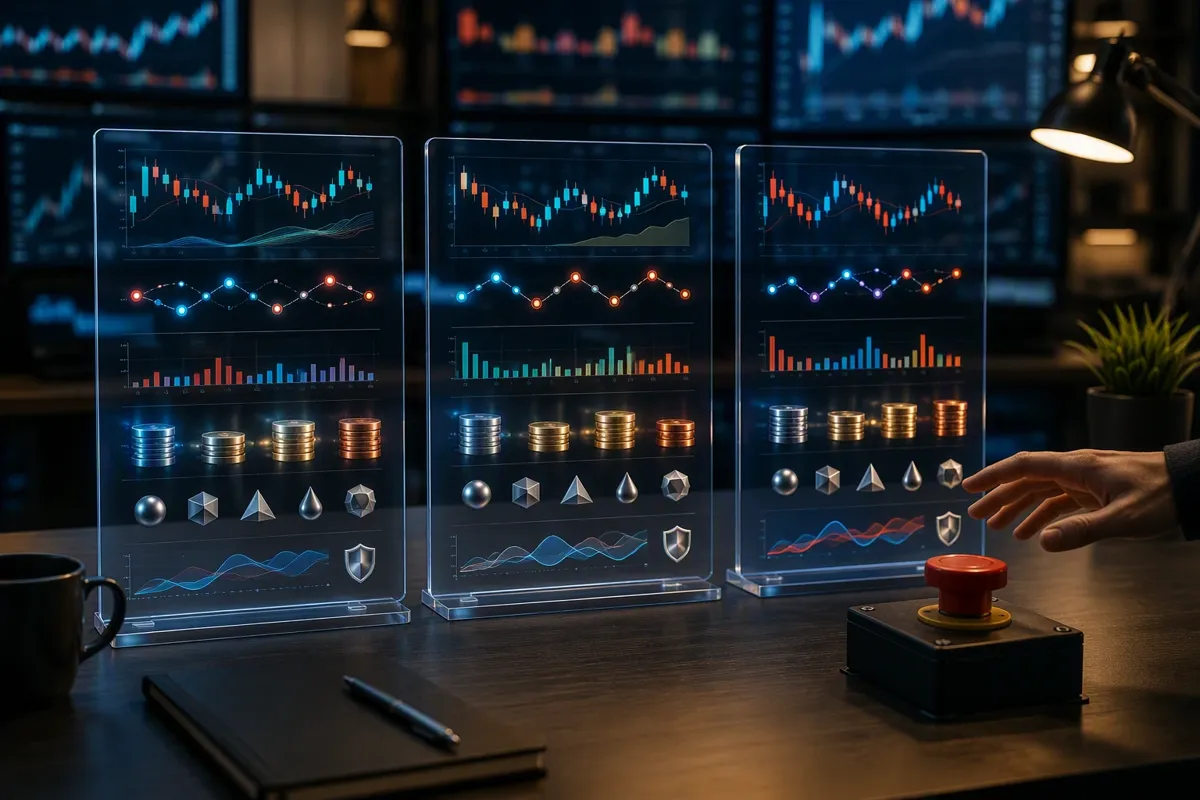
2. Costs, slippage, and platform restrictions
Compare the full bill, not the monthly fee. Include spread, slippage, data fees, and broker limits. FINRA warns some auto-trading services make unsupported profit claims and charge recurring fees without proper safeguards in this investor alert.
- Add software and brokerage costs
- Review order types and latency limits
- Check if paper trading matches live fills
3. Asset coverage and trading style fit
Match the bot to your market and time frame. Some bots fit U.S. stocks, some fit options, and some fail outside intraday use. Use a quick scorecard:
| Factor | What to check | Best fit |
|---|---|---|
| Assets | Stocks, options, crypto, futures | Your watchlist |
| Style | Day, swing, long-term | Your holding period |
| Controls | Stops, sizing, limits | Your risk plan |
Also Read: https://aistockpickerapps.com/blog
What Regulators and Fraud Warnings Say
Why guaranteed returns are a red flag
U.S. regulators treat “guaranteed” profits as a major warning sign. The CFTC says fraudsters use AI buzzwords to sell bots, signals, and crypto schemes that promise high or fixed returns, even though AI cannot predict sudden market moves or the future (CFTC advisory).
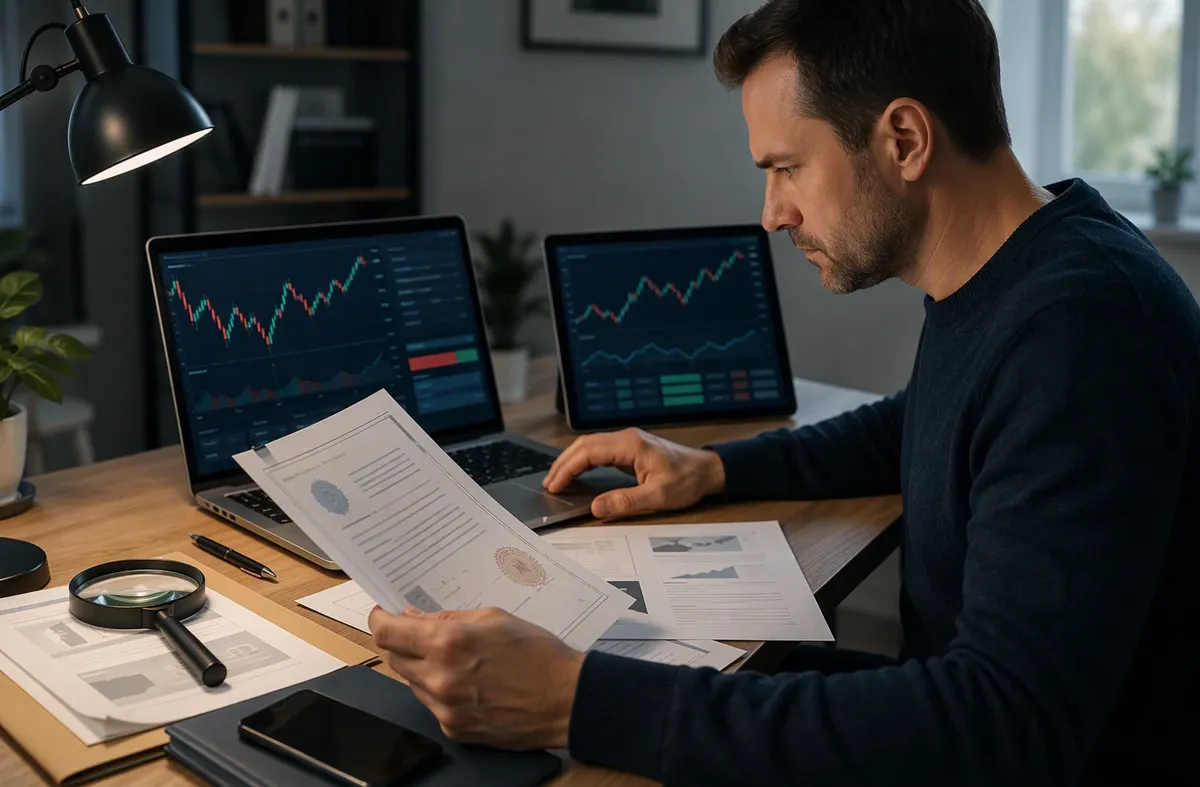
What to verify before you fund an account
Check the basics before sending money:
- Confirm the firm or seller is registered
- Verify the people behind it are real
- Check domain age and online history
- Ask how fees, spreads, and withdrawals work
If a seller pushes urgency, hides risk, or avoids proof, walk away.
The SEC, NASAA, and FINRA also warn that unregistered AI platforms and “can’t lose” claims deserve extra scrutiny (NASAA investor alert).
How to Decide Whether to Automate Trades
Automation fits some investors well, but not all. Use it only if your rules are clear, your risk is capped, and you can monitor results. FINRA warns that some auto-trading services from unregistered firms make misleading claims and may not protect your interests like registered firms must FINRA notes.
- Day traders: Best fit if you already trade a repeatable setup and want faster execution.
- Swing traders: Good for alerts, entries, and exits with tight rules.
- Long-term investors: Usually better with light automation, not full hands-off trading.
- Analysts and beginners: Start with paper trading and review logs first.
If a bot promises guaranteed gains, walk away. Regulators say AI claims are often used in fraud pitches Investor.gov warns.
- Go if you have written rules, tested data, stop-loss limits, and time to supervise.
- No-go if you chase hype, do not understand drawdowns, or cannot verify the provider.
Before you automate a dollar, compare your options on AI Stock Picker Apps. Use its unbiased reviews and bot comparisons to spot red flags, check fit, and choose tools that match your risk, strategy, and goals.
Frequently Asked Questions
Q1: Compare leading AI trading bot platforms?
Compare evidence, controls, broker support, and risk tools. Trade Ideas is known for idea generation, while some review sites like daytradingz, moneyflock, and wrtrading help with comparisons. Use claims carefully. A bot with clear logs, stop rules, and paper trading beats flashy promises.
Q2: Are AI trading bots legal in the U.S.?
Yes, but legality depends on how the bot is used and who offers it. Watch for unregistered advisers, fake performance claims, and copy-trading schemes. You still own the tax, reporting, and account risk.
Q3: Should beginners automate real money right away?
No. Start with paper trading, then test small. Check slippage, fees, win rate, and max drawdown. If you cannot explain the bot's rules in plain English, you should not fund it yet.
Conclusion
AI trading bots can save time, but they do not remove risk. Judge them by records, controls, fees, and fit. Regulators warn about AI investment fraud and AI washing.